

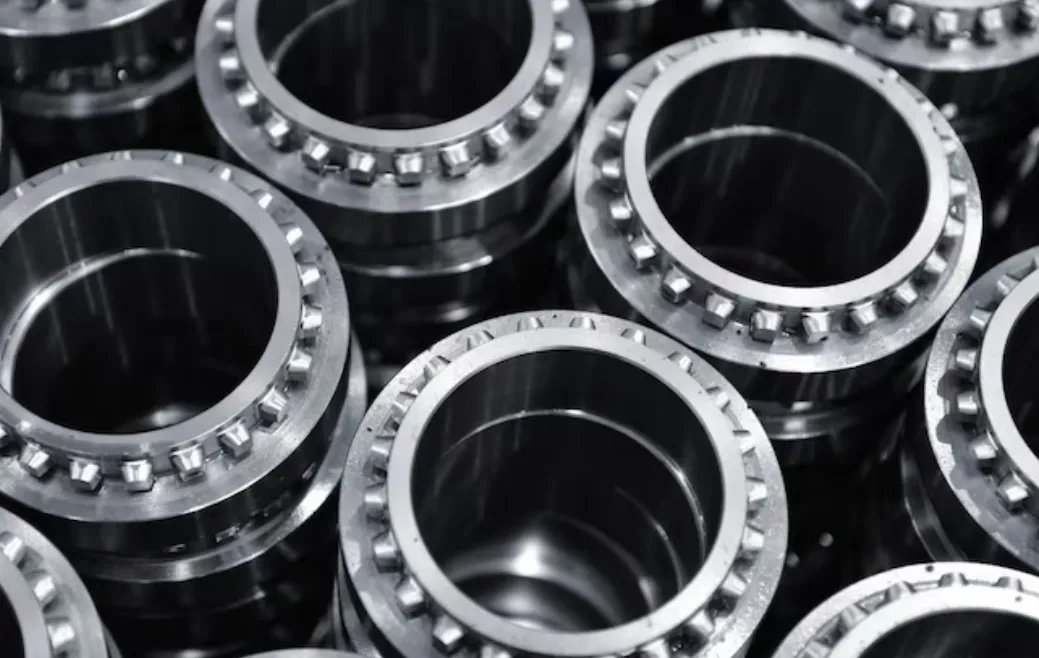
The performance and longevity of an internal combustion engine or a high-pressure compressor depend heavily on the quality of its internal seals. Among the most critical components in these systems are the rings that maintain compression and control oil flow.
When high temperatures and corrosive environments are present, selecting the right material is essential. Choosing high-quality stainless steel piston rings can significantly improve mechanical efficiency and reduce the wear that typically plagues standard iron alternatives.
Analyzing Material Grade and Thermal Stability
Not all stainless steel is manufactured to the same specifications. When evaluating components for high-performance applications, it is vital to check the specific grade of the alloy used. The material must offer excellent thermal stability to prevent warping under extreme heat.
High-grade stainless steel piston rings are designed to maintain their tension and shape even when subjected to the intense thermal cycles of a heavy-duty engine.
This stability ensures that the seal remains airtight, preventing blow-by and maintaining consistent power output over thousands of hours of operation.
Evaluating Coating and Surface Treatment
While stainless steel is naturally resistant to corrosion, the friction between the ring and the cylinder wall requires specialized surface treatments. Many manufacturers apply coatings such as chrome, nitriding, or PVD to enhance hardness and reduce the coefficient of friction.
These treatments are essential for preventing scuffing during the initial break-in period. When sourcing stainless steel piston rings, one should inquire about the compatibility of these coatings with the cylinder liner material, whether it be cast iron, aluminum, or a specialized Nikasil coating.
Assessing Dimensional Accuracy and Tolerance
Precision engineering is the hallmark of a reliable sealing component. Even a microscopic deviation in the gap or the thickness of the ring can lead to significant oil consumption or loss of compression.
It is important to look for products that are manufactured using advanced CNC technology to ensure tight tolerances. Accurate dimensions allow for a perfect fit within the piston grooves, reducing the risk of ring flutter at high speeds.
Reliable stainless steel piston rings must provide a uniform radial wall pressure to ensure an even seal across the entire circumference of the cylinder.
Considering Corrosion and Oxidation Resistance
In marine environments or industrial applications involving chemical processing, oxidation is a constant threat to engine components. Stainless steel is often the preferred choice due to its high chromium content, which forms a protective oxide layer.
This resistance to chemical attack prevents the rings from pitting or becoming stuck in the piston lands. Selecting the correct alloy ensures that the system remains operational in harsh conditions where standard carbon steel would quickly fail due to rust or chemical degradation.
Matching Ring Tension to Application Requirements
The radial tension of a ring determines how tightly it presses against the cylinder wall. If the tension is too high, it creates excessive friction and heat; if it is too low, it fails to seal properly. Engineering requirements vary between low-speed industrial pumps and high-rpm racing engines.
Buyers must ensure that the mechanical properties of the rings are tailored to their specific stroke length and operating pressure. Proper tension management is key to balancing the needs of a durable seal with the goal of minimizing parasitic energy loss.